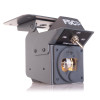
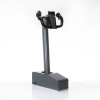
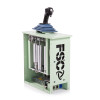
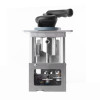
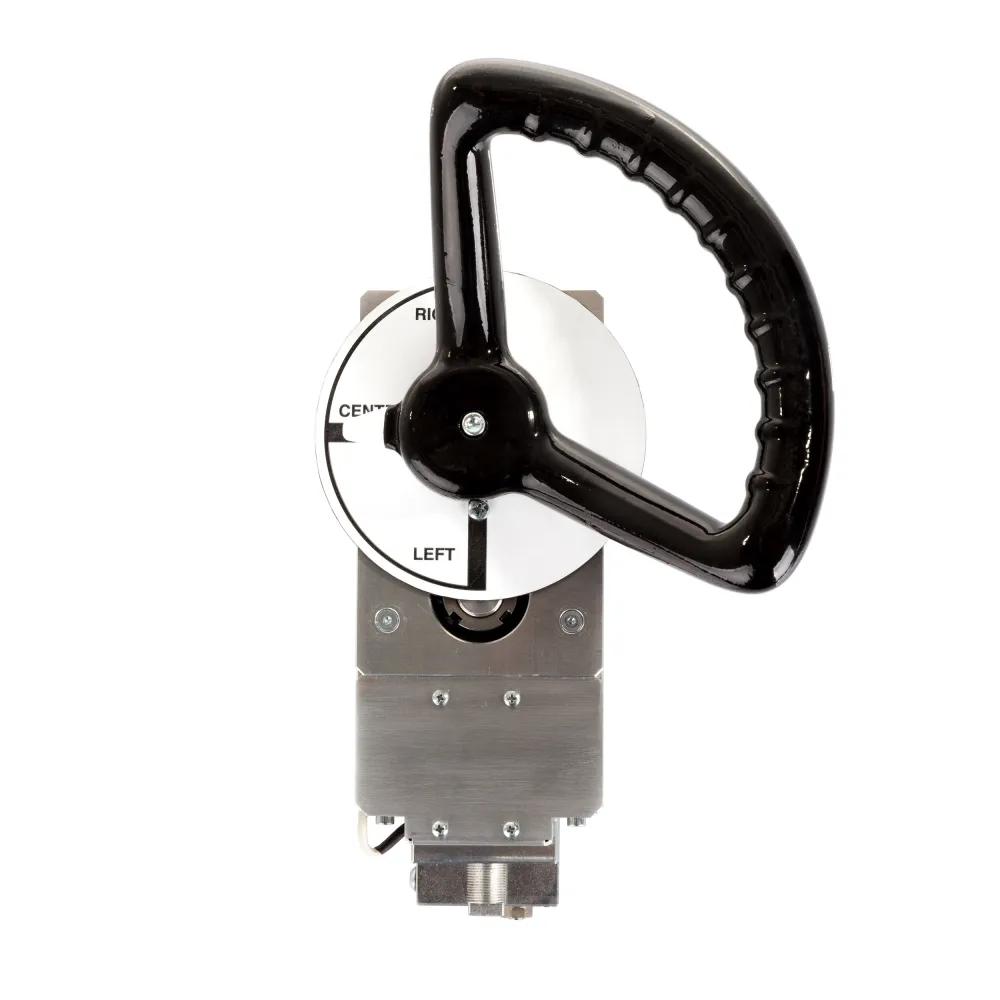
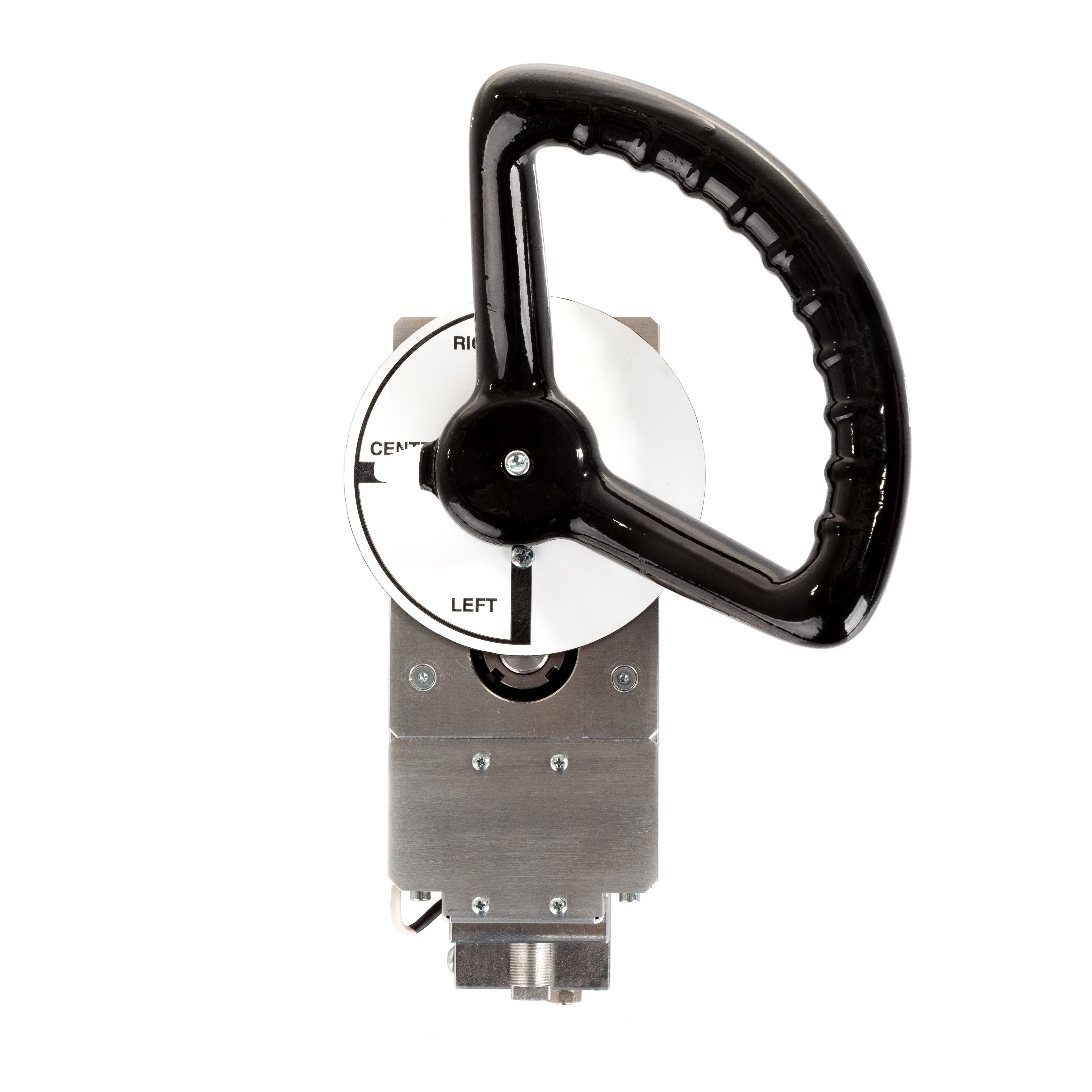
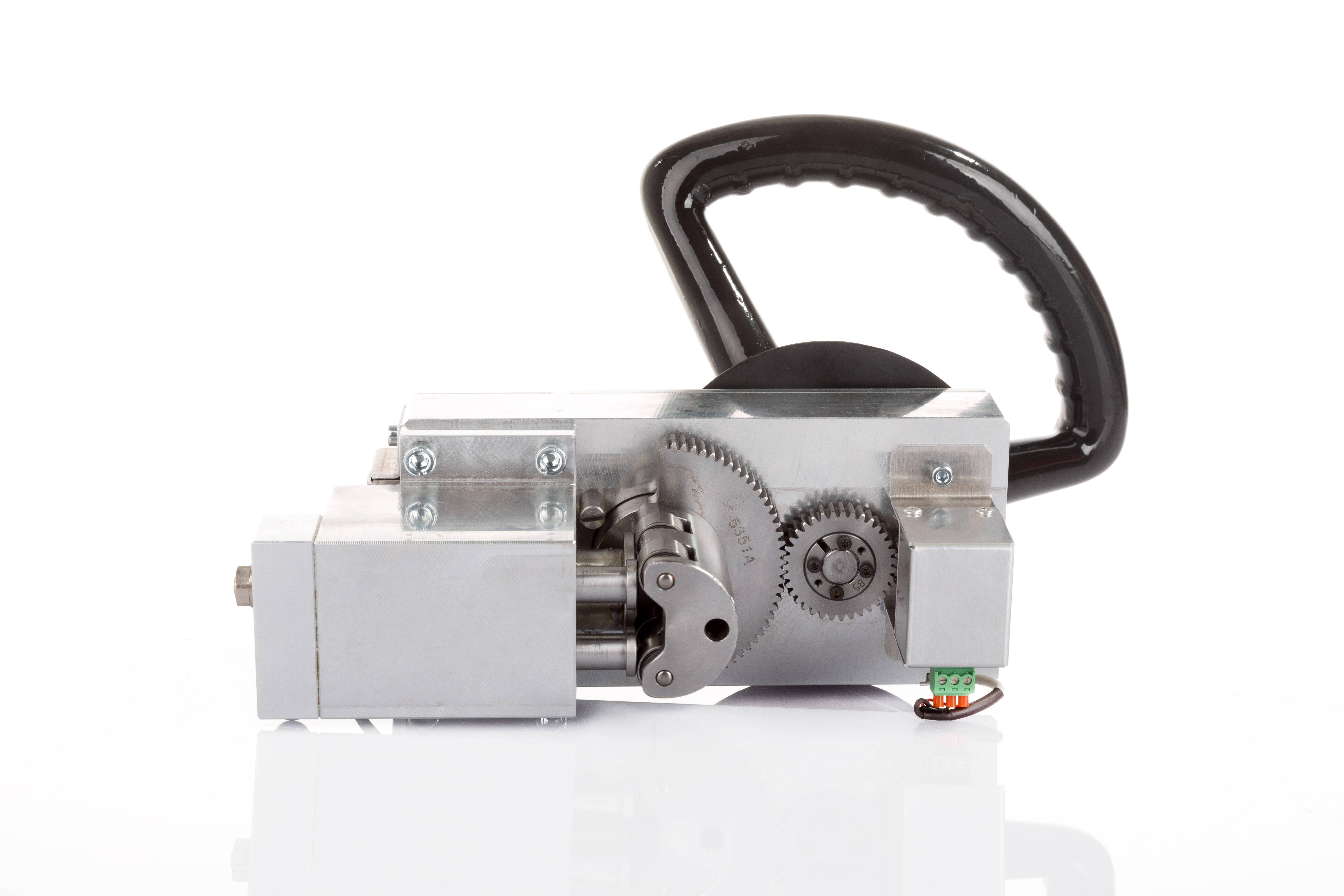
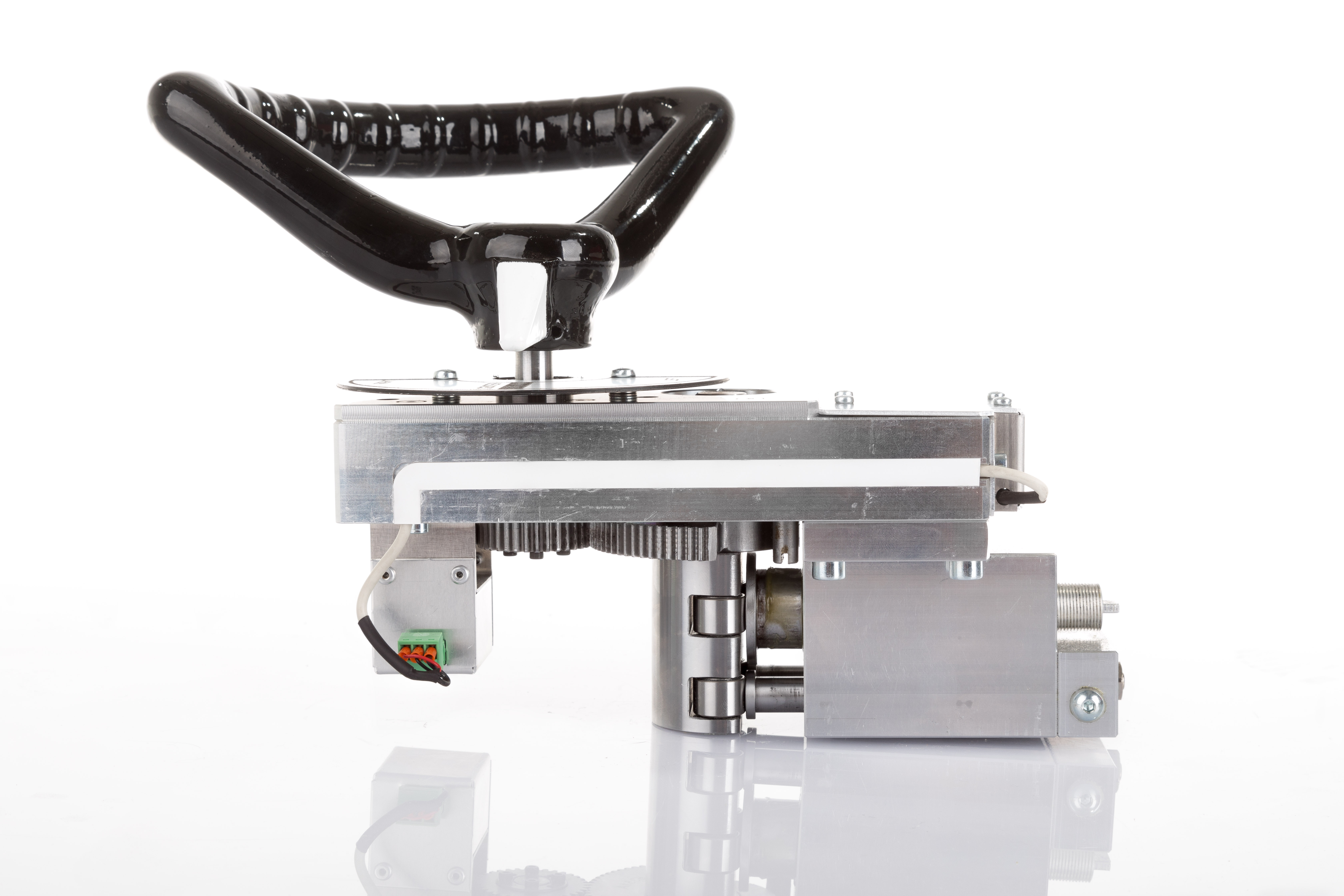
B737 Steering Tiller Force Feedback, F.O. side

Nose Wheel Steering Tiller for Boeing 737NG/Max, First Officer side.

Main Features

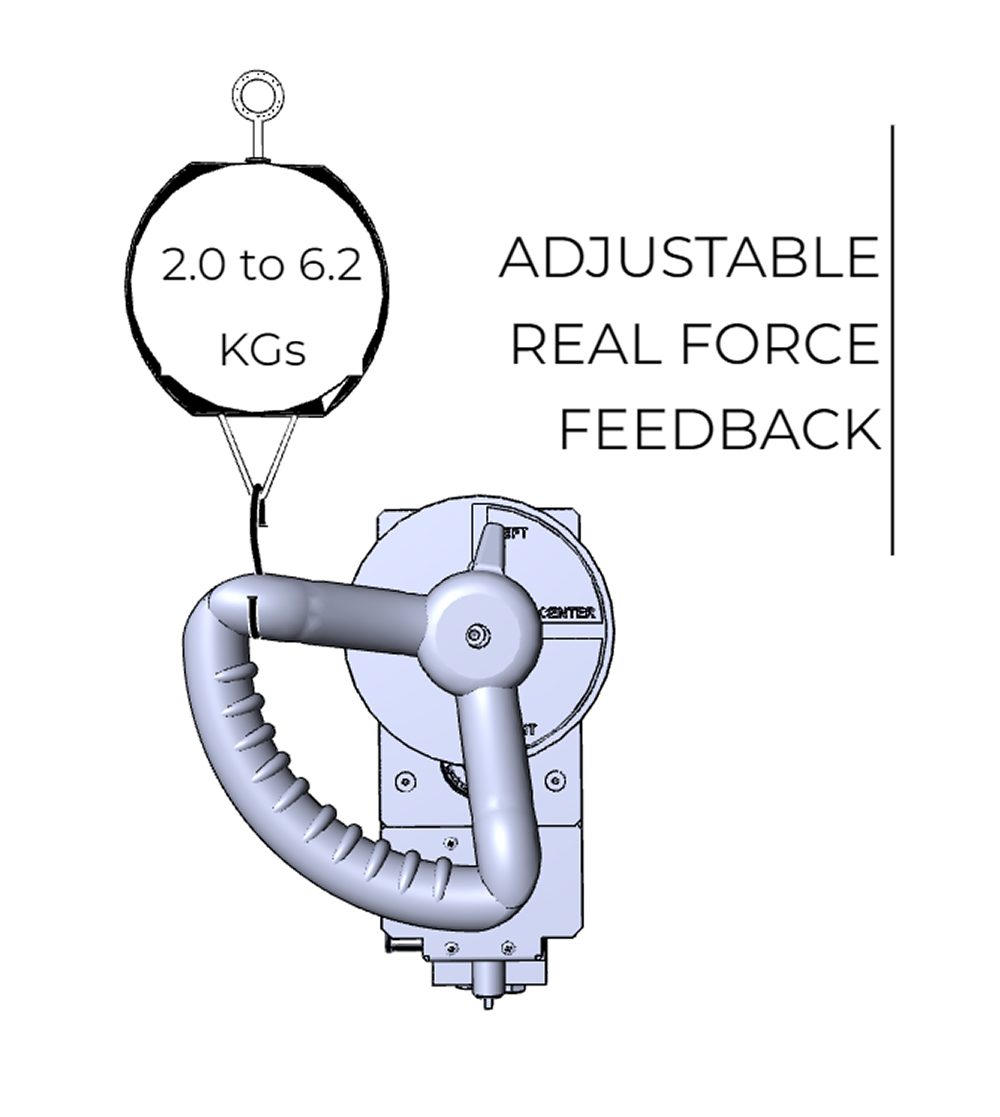
  • Adjustable Spring and Dampers

    Preload and damping adjustment

  • Joystick board included

    USB connection, Standard Joystick

  • Completely metal, built to last

    Made of aluminum using high quality electrical/electronic materials

  • 1:1 real scale

    Designed by studying the dimensions of the original components

  • Reaction force faithful to the original

    Equipped with a real passive force feedback mechanism

B737 Steering Tiller Force Feedback, F.O. side
€1,680.00
Tax excluded

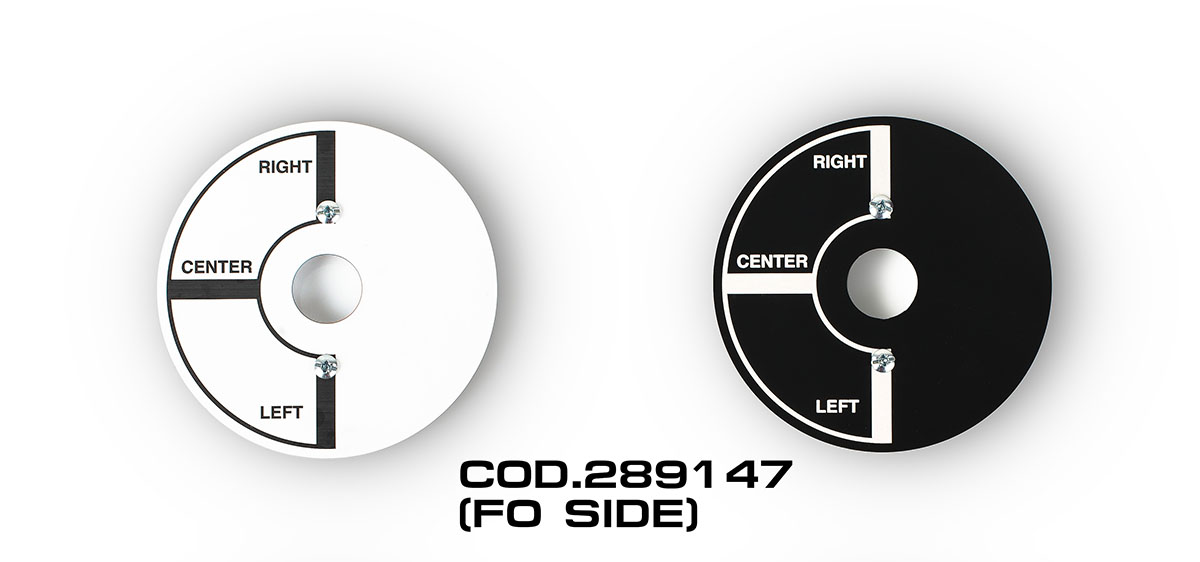
289147

4 Items

Compatibility

Discover the
Linear force feedback

The generated forces are linear and increase with the steering angle, but not like a spring that is loaded, have in fact a linear trend as the force generated by the hydraulic assistance of a large aircraft

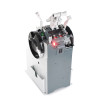
Bodnar Joystick card

USB interface board designed for use with flight simulators, driving simulators, and other custom game controls.

It supports up to 32 buttons.

It has 8 analog inputs for potentiometers (for example, for joystick axes).

Compatible with Windows without the need for additional drivers, as it uses standard HID (Human Interface Device) drivers.

The board is plug-and-play, so once connected via USB, it is automatically recognized by the operating system

USB Connection

All USB types are supported

Compatible with FSC's Shell side

Available in our complete cockpit

FAQ

I've read on various forums that the USB connection for peripherals is old and unstable. Why are some of your peripherals still connected via USB?

A USB connection can serve various purposes: in fact, USB is the acronym for "Universal Serial Bus."

Some of these connections are used to create virtual COM ports to allow serial communication.

The disadvantage of this solution is related to the fact that there are two connections on the PC: one to the peripheral and one to the operating system.

In fact, in Device Manager, you can see both the USB device and its corresponding COM port.

If software is using the COM port and the USB connection is lost, communication is interrupted, but the software continues to occupy the port.

When communication resumes, because the original port is still occupied, the driver will assign a new port with a different number, effectively preventing reconnection.

A solution could be a LAN TCP/IP connection.

Not all of our peripherals have dual ports (USB and LAN), but where they are solely USB, it is a design choice to simplify circuitry or for reasons strictly related to speed (such as the Control Loading system).

For HID peripherals (joysticks), these problems do not occur because the peripheral is always recognized even if it was previously disconnected.

What sort of packaging do you use?

We prepare our products for dispatch with care, to ensure they reach our customers in exactly the same condition as when they leave our premises.

We avoid generic packaging and work with specialist partners who create bespoke solutions for us for each product, using extremely robust, high-quality packaging materials.

Where necessary, we provide additional protection for individual components using heat-sealed, multi-layer internal barriers to ensure complete protection against moisture, temperature fluctuations and any extreme weather conditions.


You might also like

Product added to compare.
group_work Cookie consent