B737MAX Professional Cockpit Turnkey Simulator

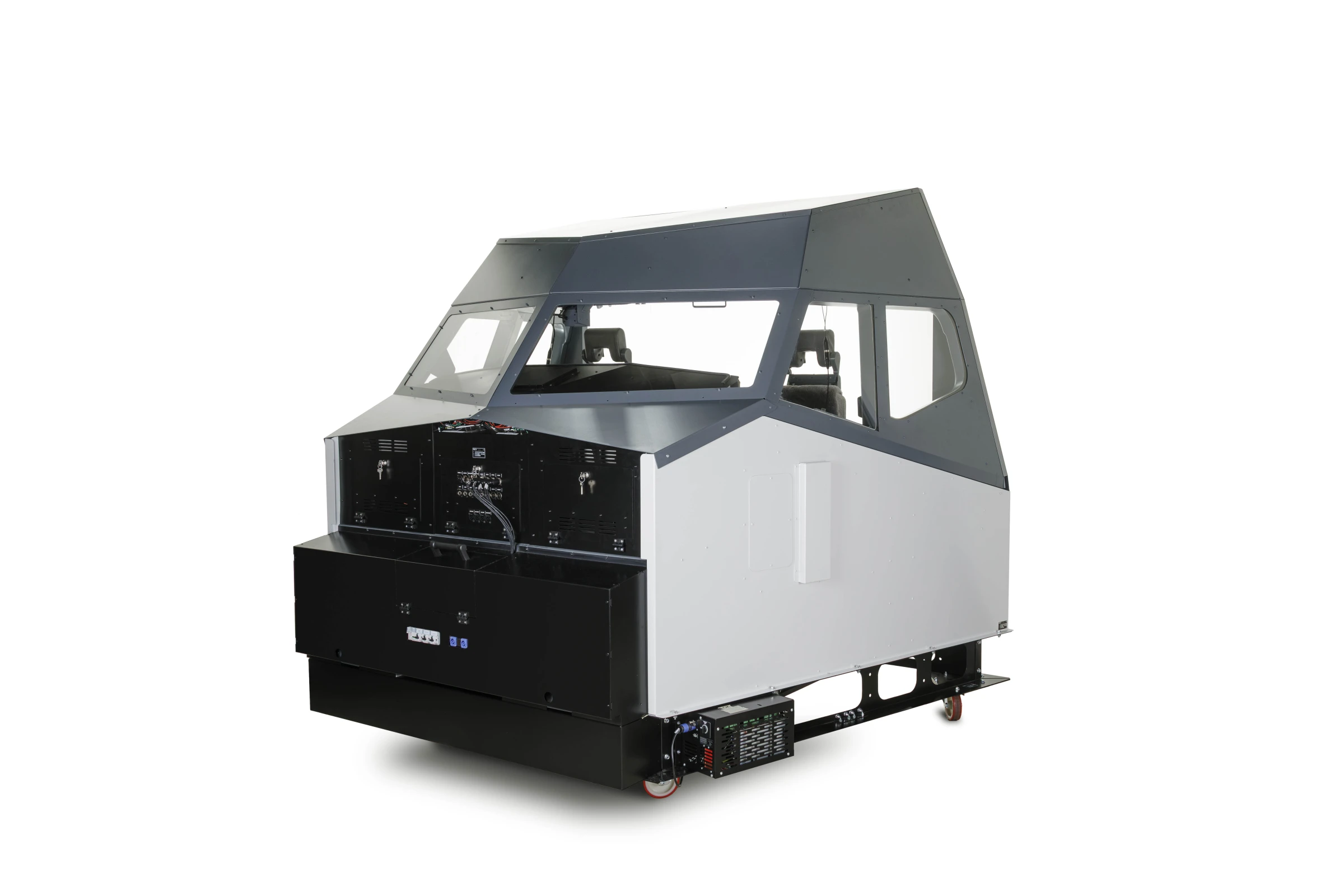
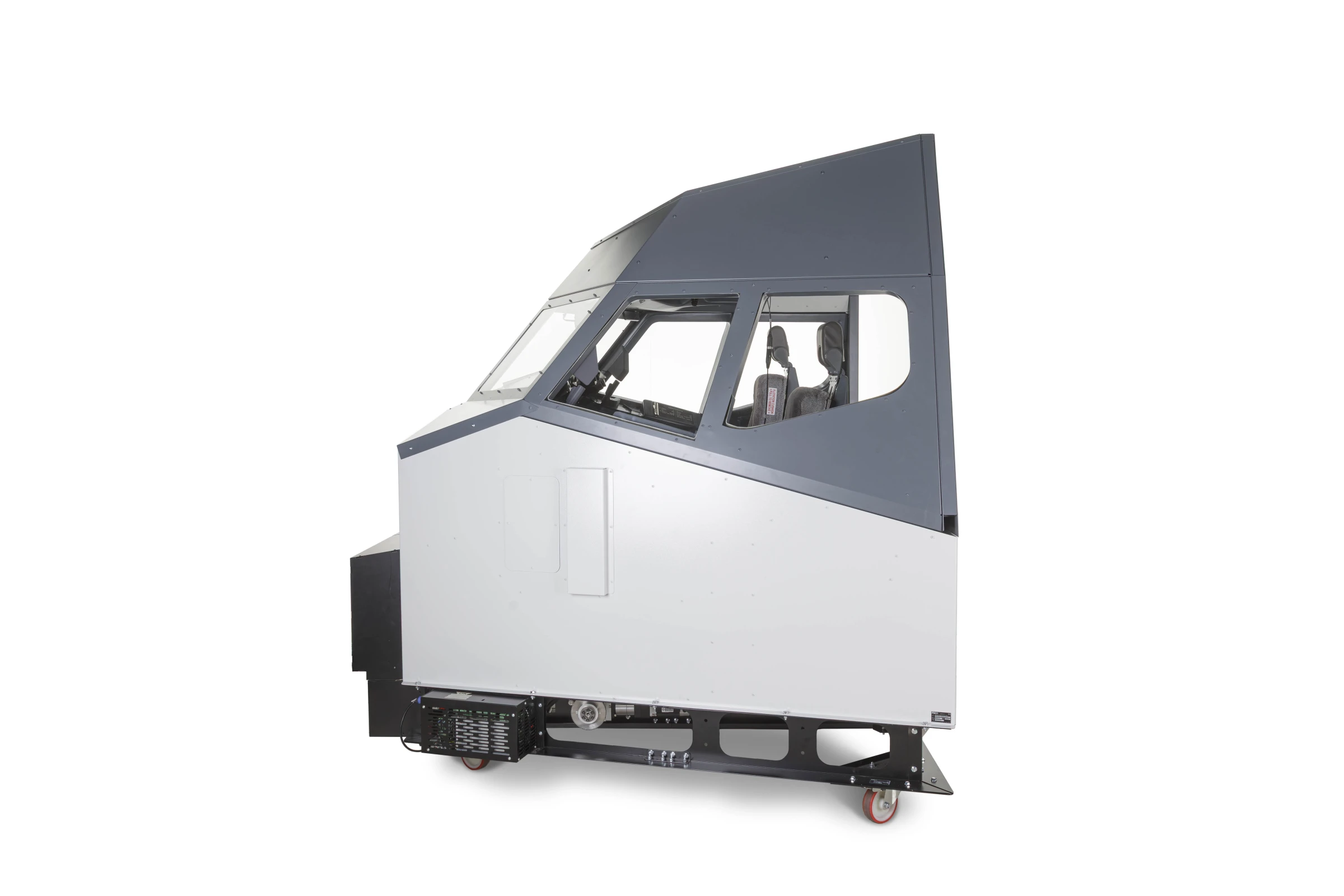
1:1 scale cabin complete with cockpit shell, flight controls, avionics, audio, pc and visual system. Ranging from generic flight simulators to advanced FTD (Flight Training Devices)
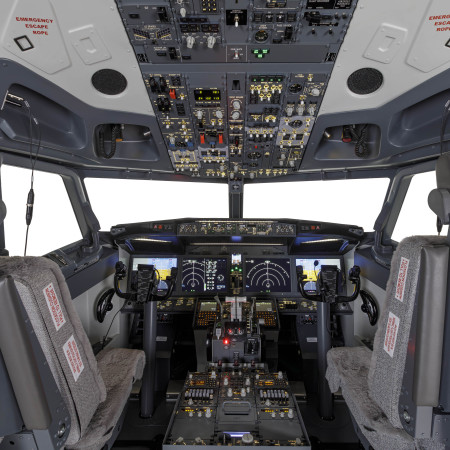
B737MAX Professional Cockpit Turnkey Simulator
Materials

We offer metal products and high-quality materials, designed to ensure maximum durability and performance over time.

Customization

Possibility of customization according to specific needs

Airline Pilots

Designed and tested in collaboration with airline pilots and instructors

Training & assistance

Training for assembly/start-up and prompt after-sales support

Compatibility

Designed to be compatible with leading avionics software

Certifications

Possibility of having certifications for training

Made in Italy

Made in Italy is synonymous with care and mastery in creating quality products.

Rapidity

Speed ​​of production thanks to highly specialized staff
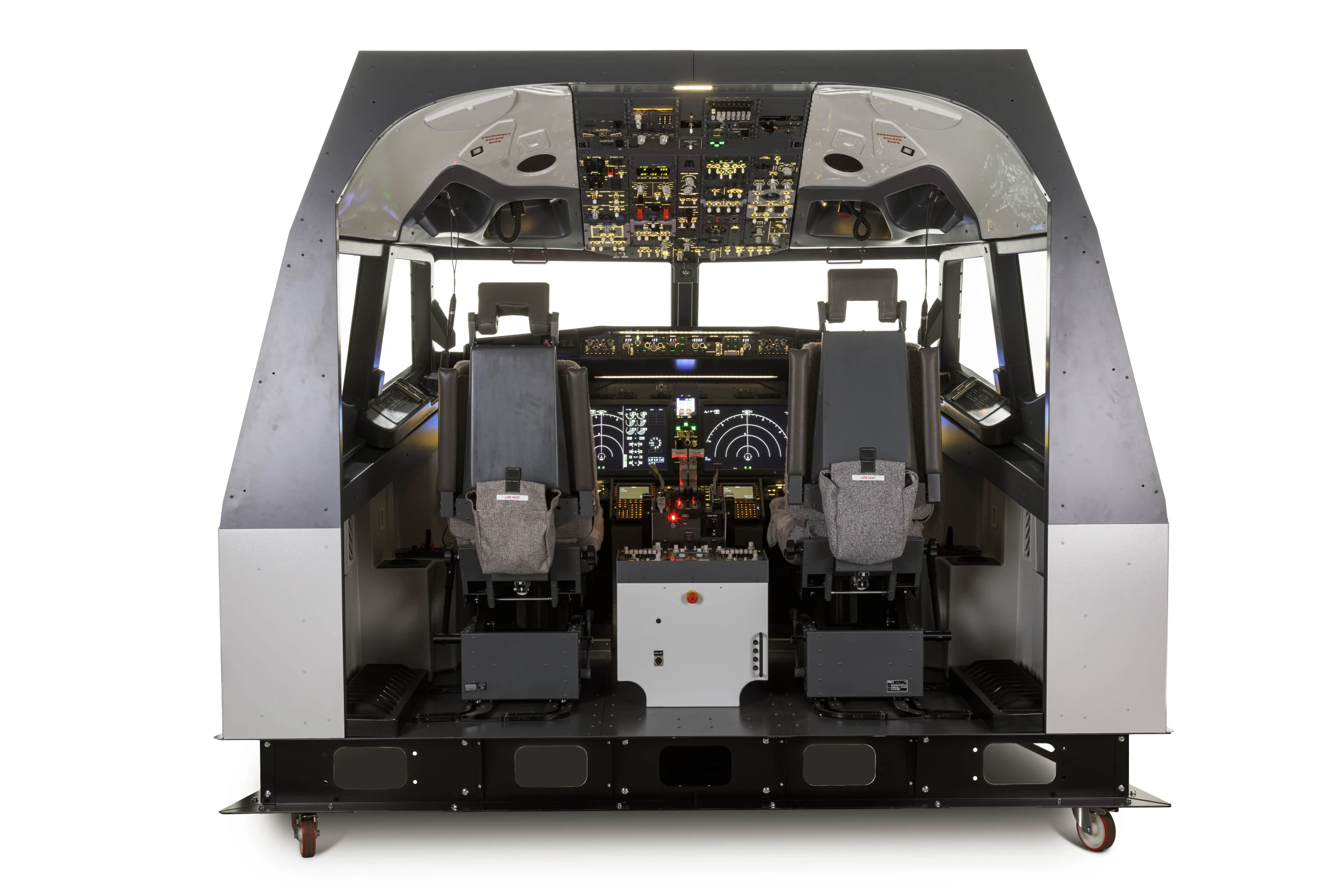
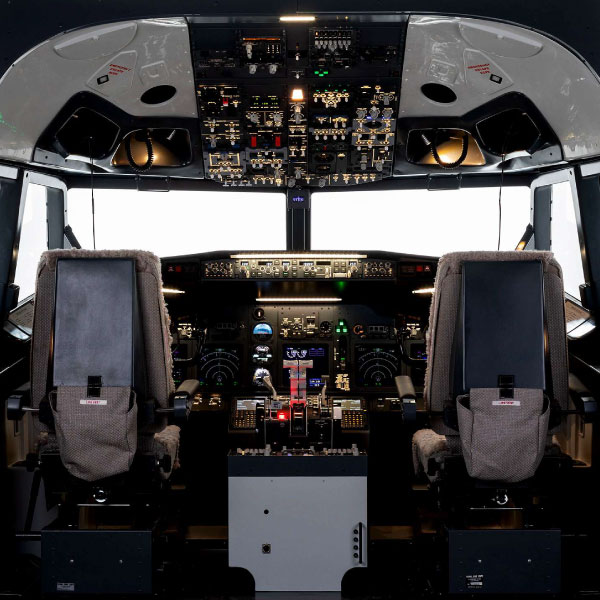
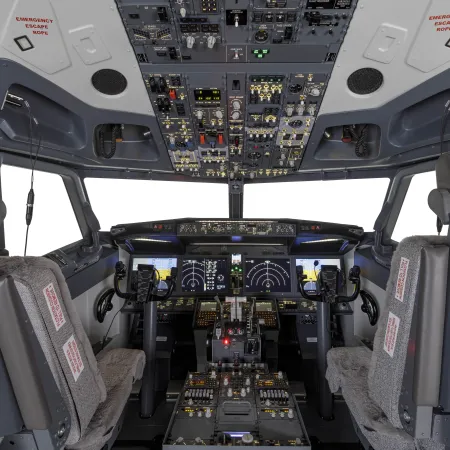
Faithful 1:1 Scale Flight Deck Reproduction

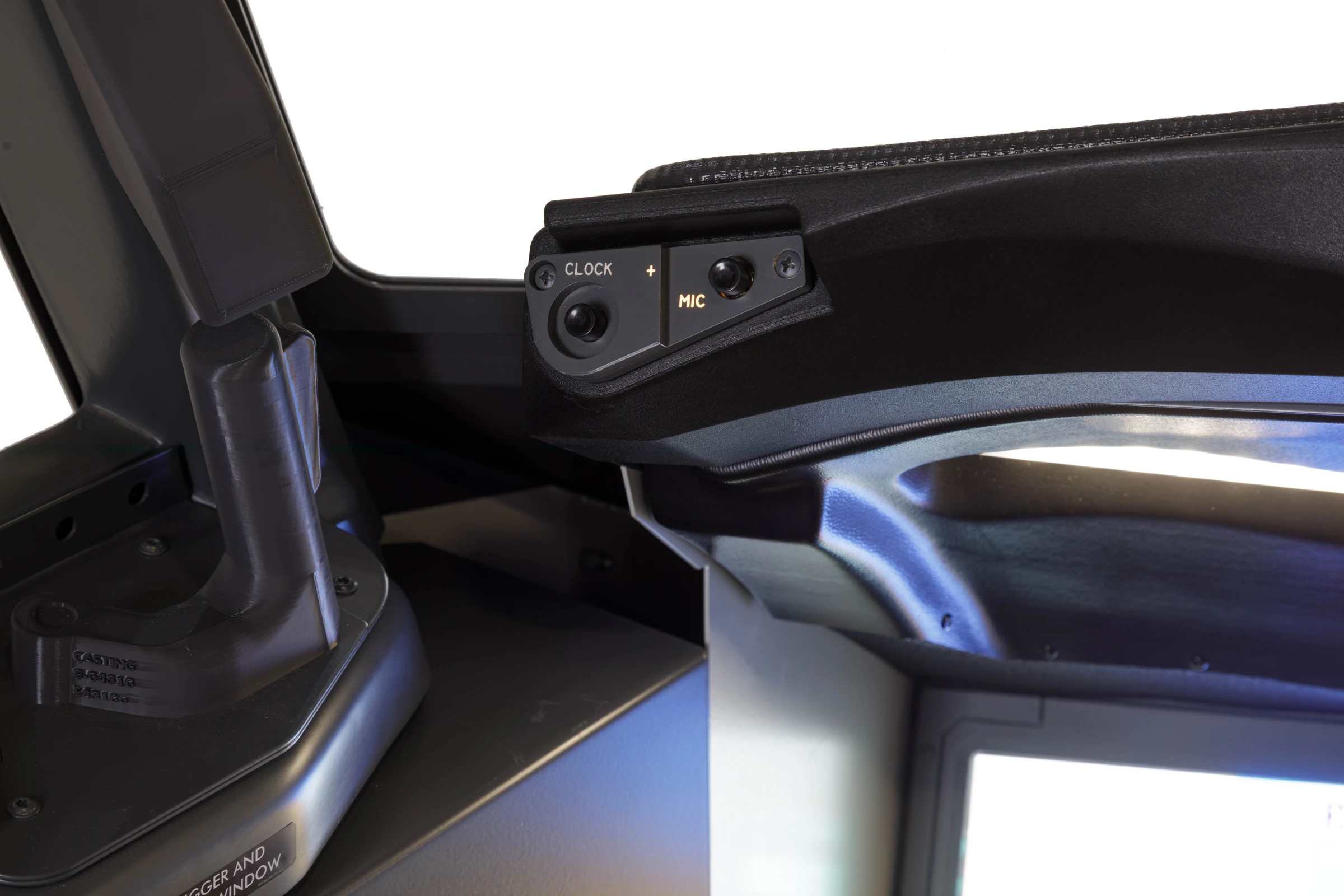
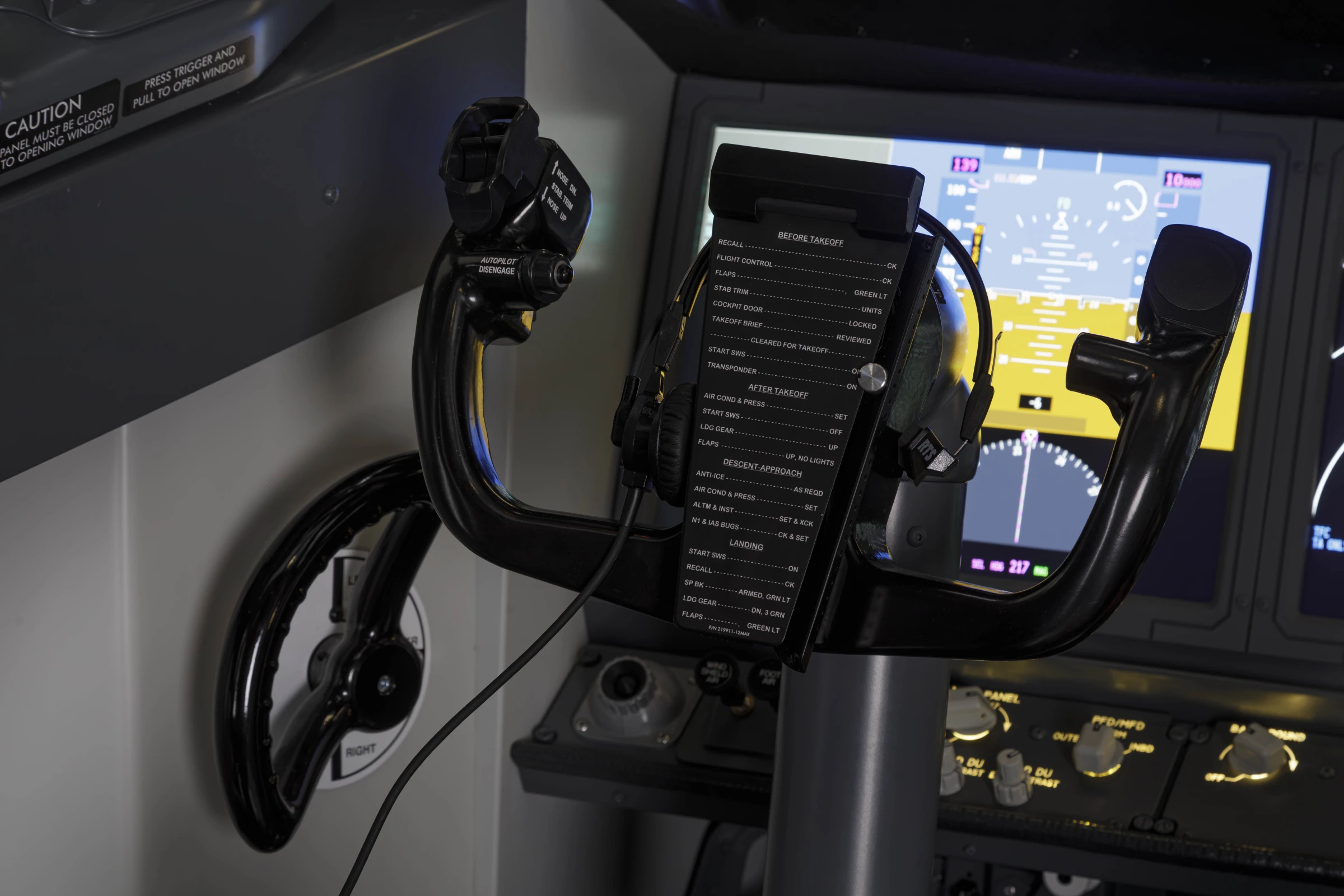
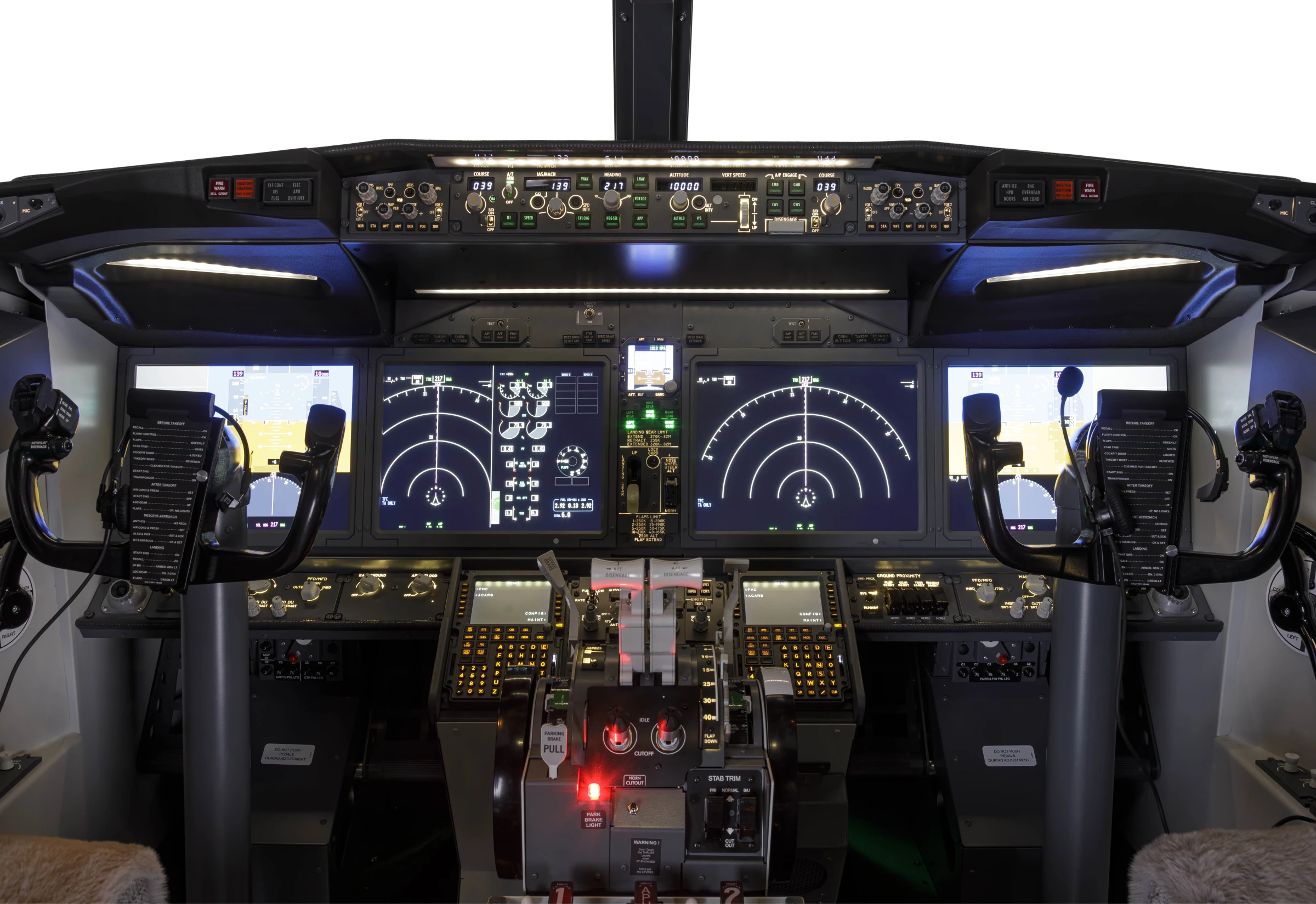
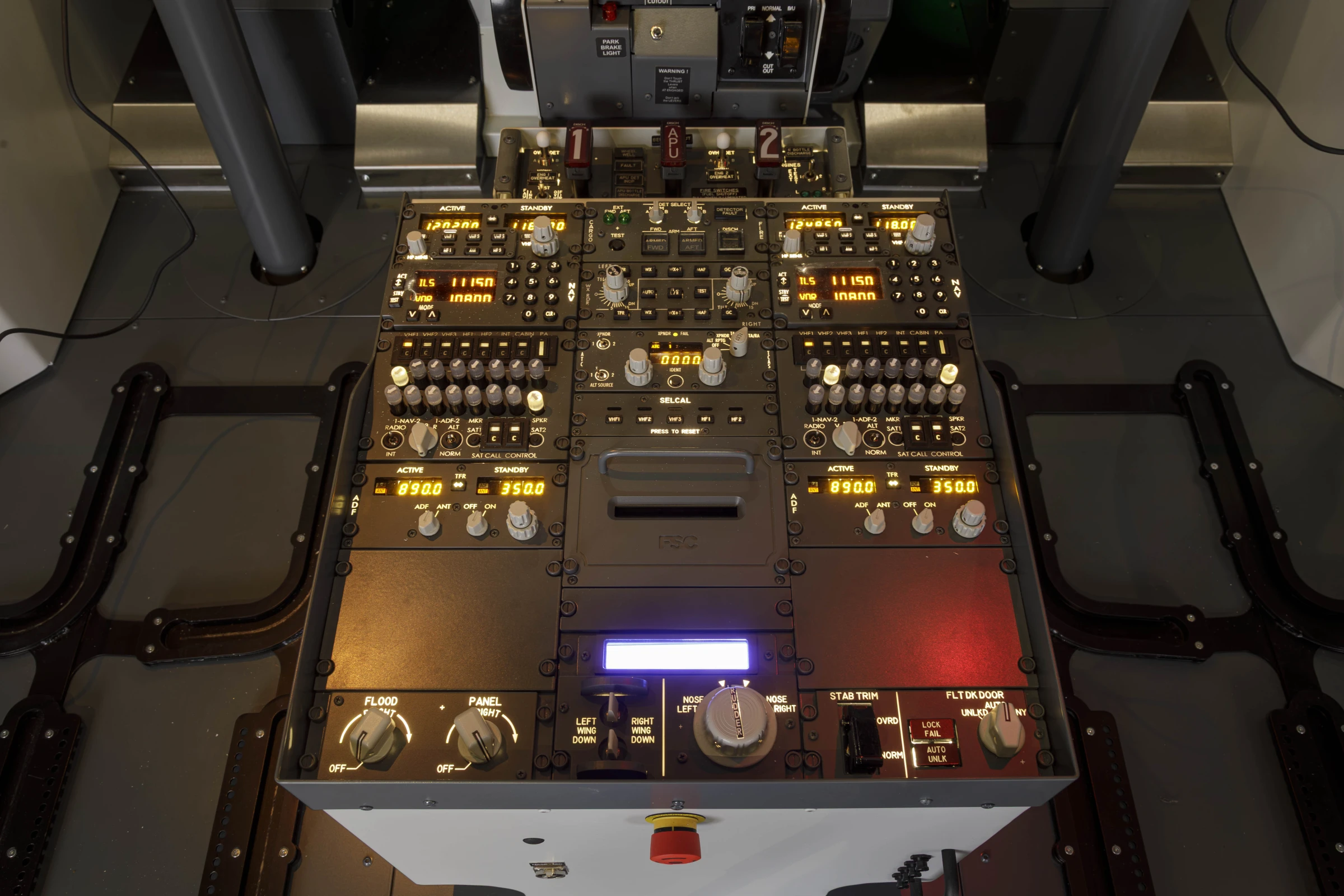
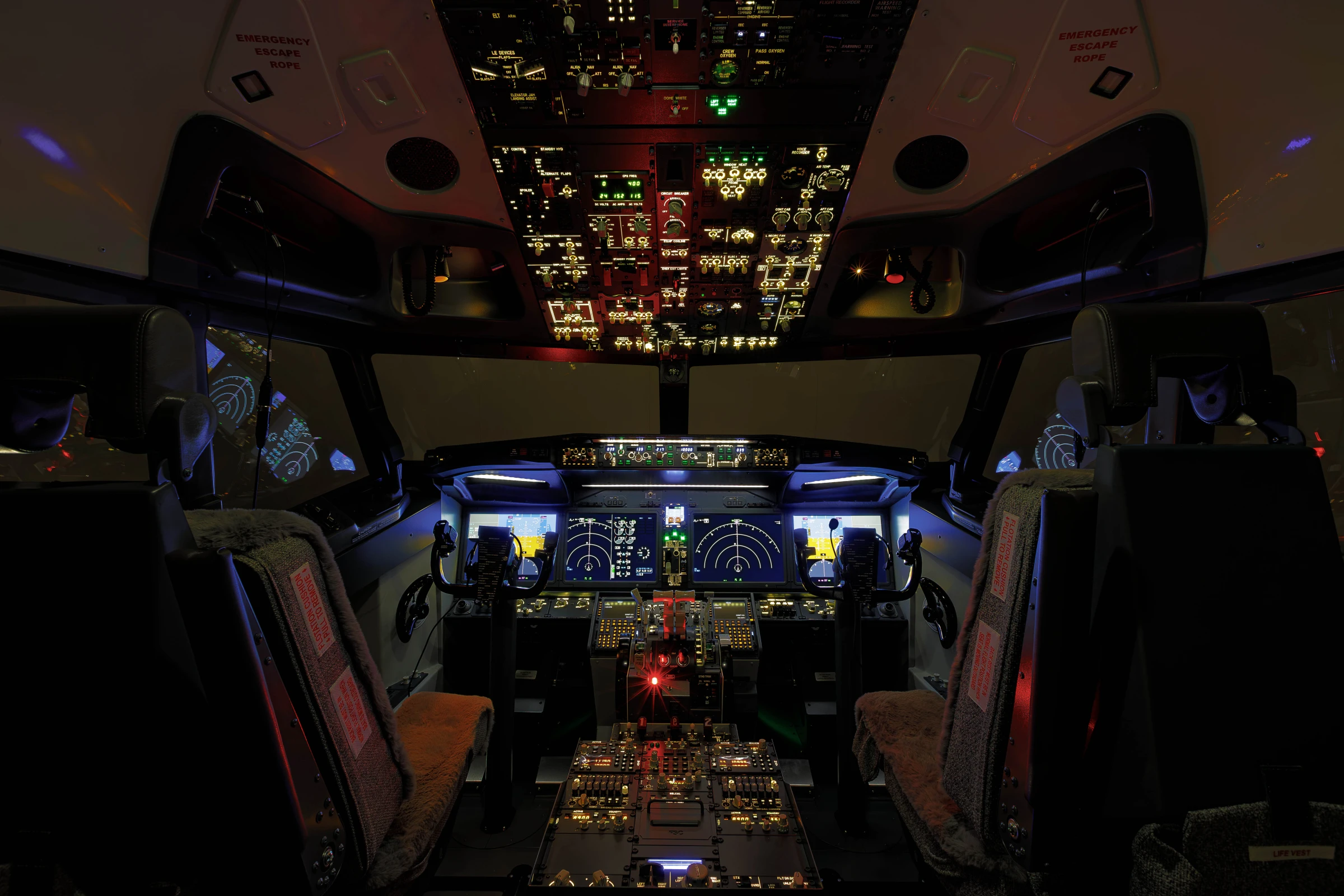
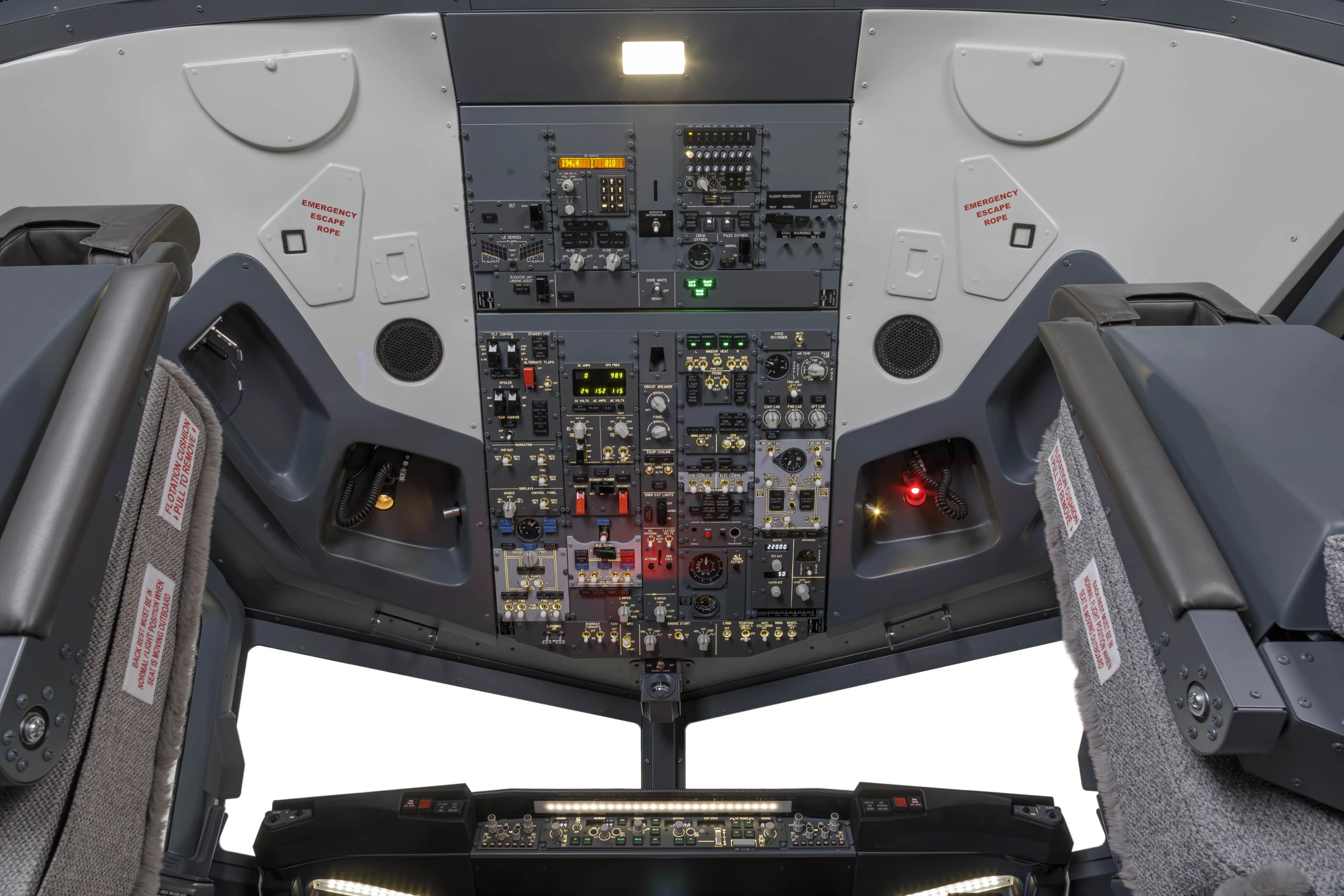
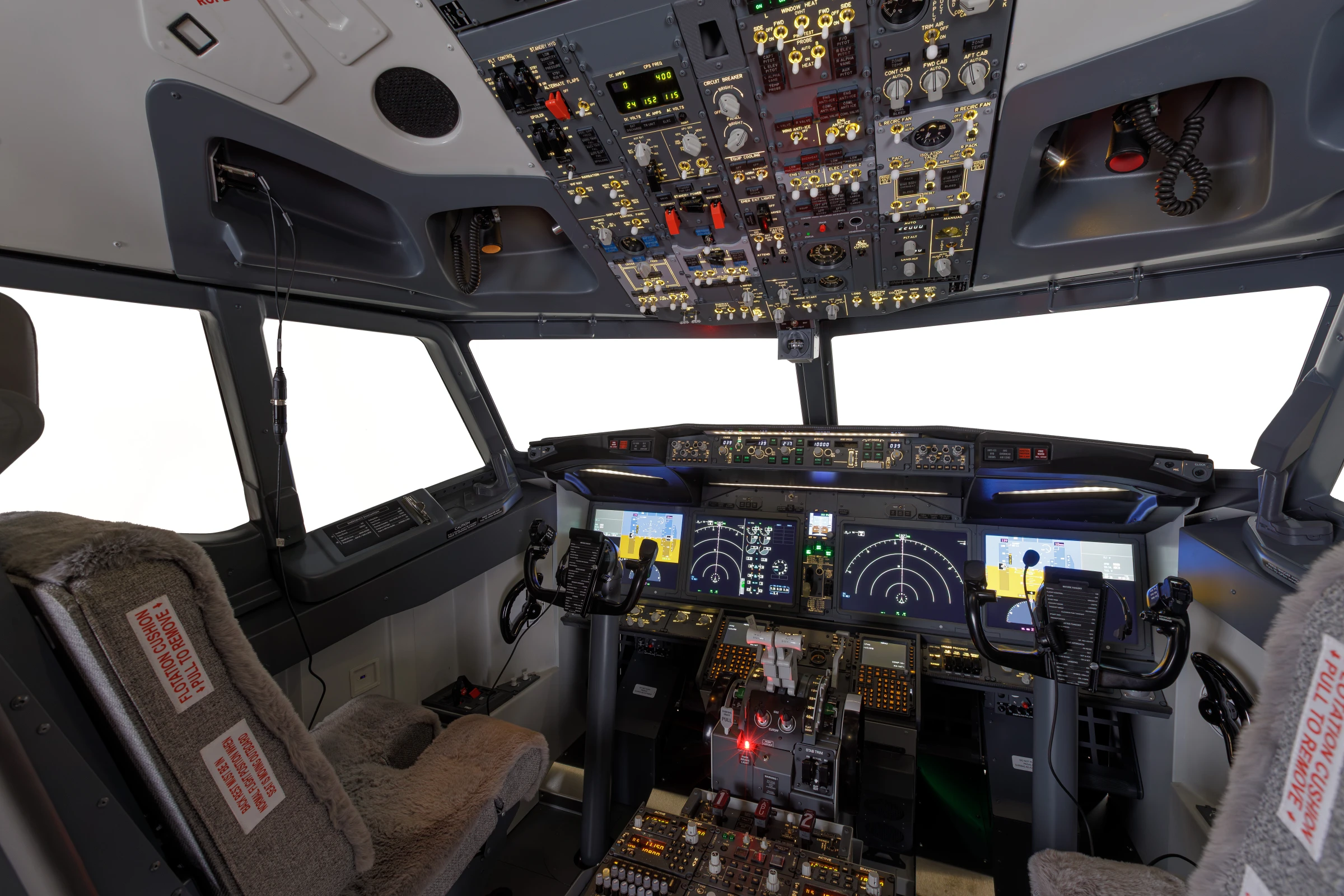
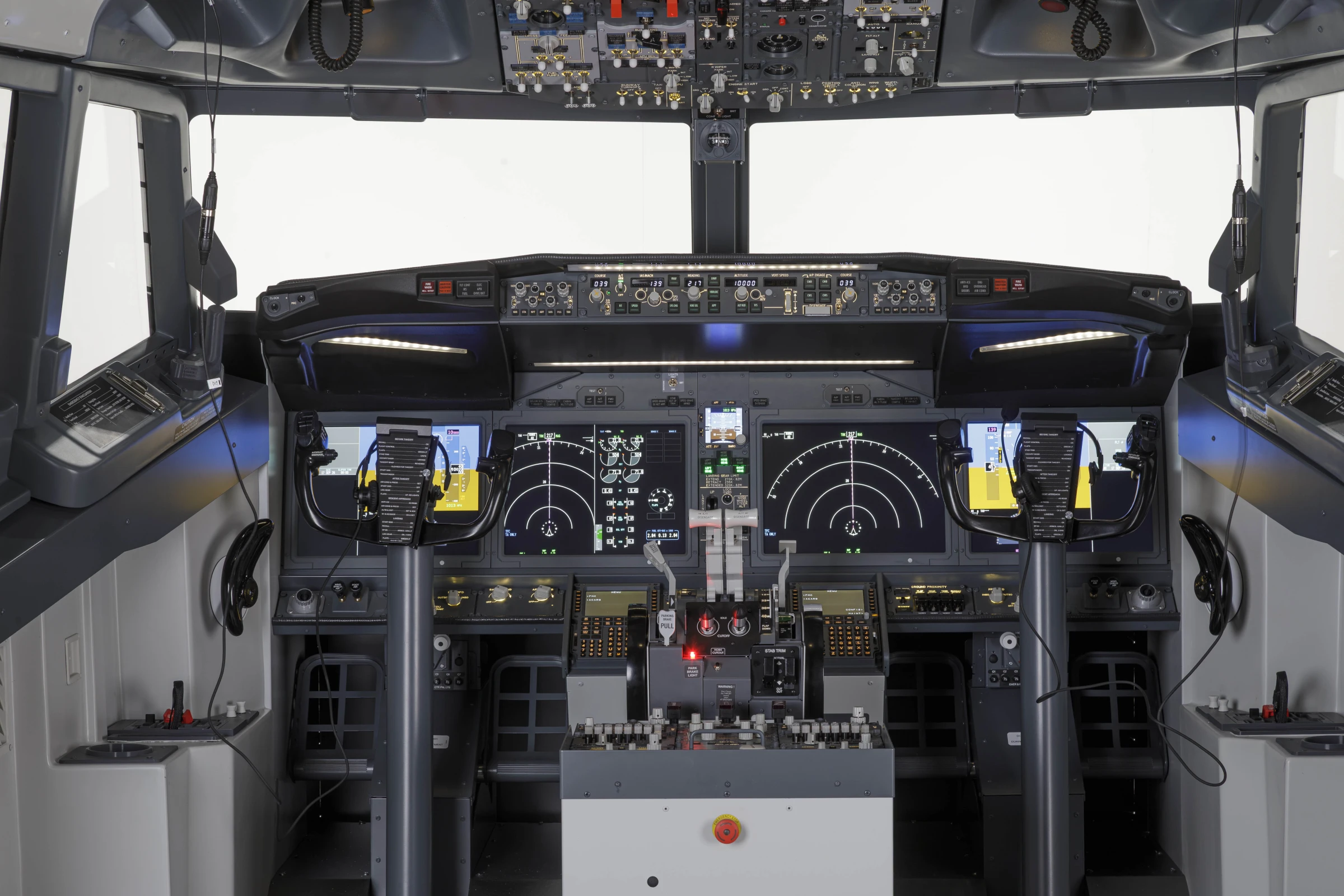
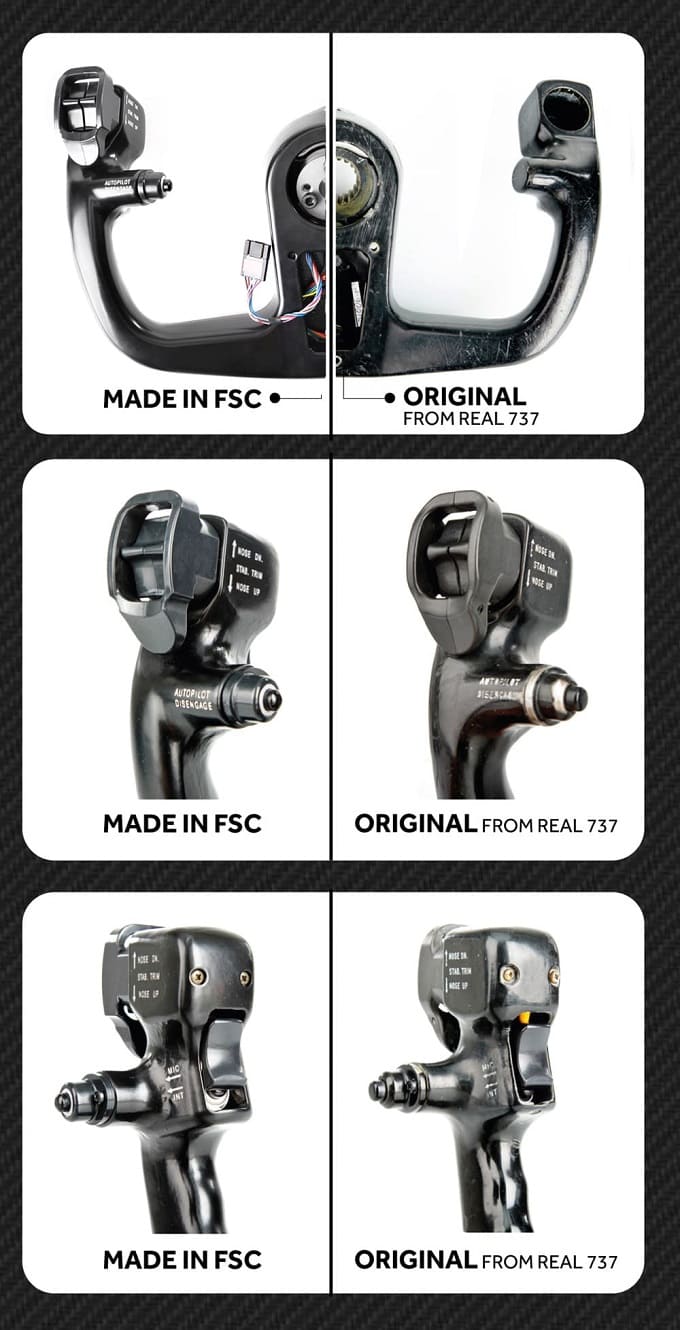
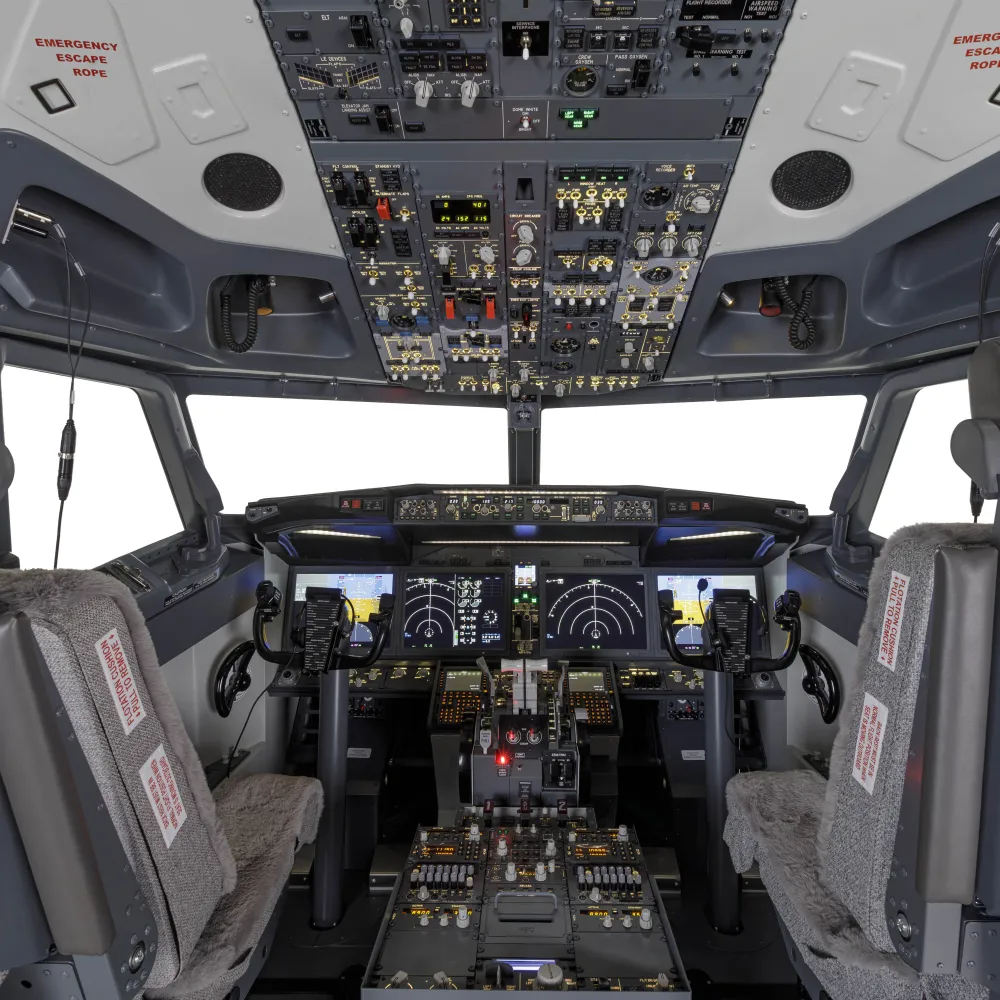
The FSC B737 MAX simulator is designed with the objective of reproducing the operating environment of a modern Boeing flight deck with the highest possible level of accuracy.

FSC’s extensive experience in the design and development of professional flight simulators, combined with direct cockpit studies and collaboration with airline pilots and flight instructors, makes it possible to develop an exceptionally accurate reproduction of the B737 MAX flight crew stations, panels, controls, and avionics interface.

Particular attention is devoted to the MAX flight deck configuration, featuring four large 15-inch displays, advanced integrated avionics, and an instrument layout designed to provide pilots with clear and immediate access to essential flight information.

The ultimate goal is to provide an environment in which pilots can experience a layout, ergonomics, and operating logic consistent with those of the real Boeing 737 MAX.

Long-Term Durability and Resistance to Intensive Use

The design of the FSC B737 MAX simulator places particular emphasis on build quality and durability under continuous operation.

The structure, panels, controls, and components are carefully selected and engineered to ensure reliability even under intensive use, while maintaining precision, functionality, and simulation quality over time.

The construction is designed to allow maintenance operations and component replacement to be carried out efficiently, reducing downtime and simplifying simulator management throughout its operational life.

Every stage of the manufacturing process is subject to inspections and quality checks, with the aim of delivering a professional, robust product designed for long-term operation.

Control Loading: Realistic Force Simulation

The FSC Control Loading System dynamically reproduces the forces experienced by the pilot when operating the flight controls.

Control response can be configured according to flight conditions and key aerodynamic parameters, providing progressive feedback consistent with the aircraft's behaviour.

The system allows variations in control forces to be reproduced in response to several factors, including:

- Aircraft speed.

- Aerodynamic conditions.

- Accelerations.

- Trim settings.

The result is a more realistic interaction between the pilot and the simulator, which is particularly important during take-off, climb, cruise, approach, and landing, as well as when managing abnormal operating conditions.

Advanced Technology for an Immersive Experience

The visual system is one of the key components of the B737 MAX simulator.

FSC uses high-performance PC platforms and configurable graphics solutions tailored to the customer's requirements and the selected simulation software.

The visual system can be configured with multi-channel projection systems or high-resolution displays, creating an immersive environment that provides a wide and detailed representation of the outside world.

The system configuration allows for the simulation of different airport and environmental scenarios, variable weather conditions, day and night operations, and operational situations relevant to simulation and training activities.

High image quality and a wide field of view contribute to enhanced external situational awareness and create a more natural interaction between the flight deck and the virtual environment.

Audio and Communications

The audio and communication system of the B737 MAX simulator is designed to recreate the cockpit sound environment and the main operational communication functions.

The platform can integrate the simulation of COM and NAV radio systems, communications between pilots and instructors, the intercom, and the reproduction of the main sounds typically heard inside the cockpit.

The instructor station allows simulated communications to be managed and enables interaction with the flight crew throughout the simulation sessions.

The audio system can also reproduce the characteristic sounds associated with different phases of flight, helping to create a more immersive environment that closely reflects the actual flying experience.

Cockpit Interior Lighting

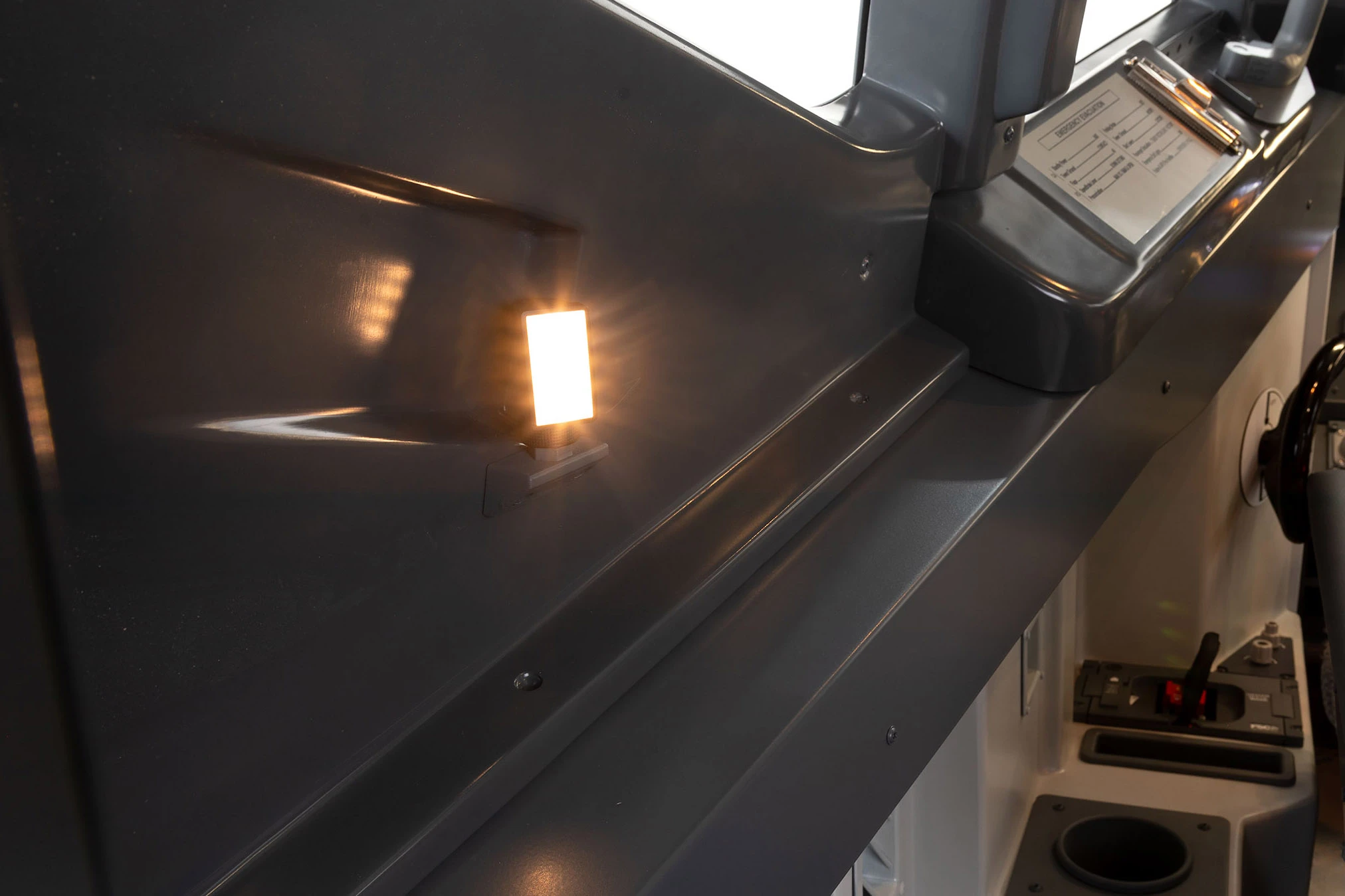
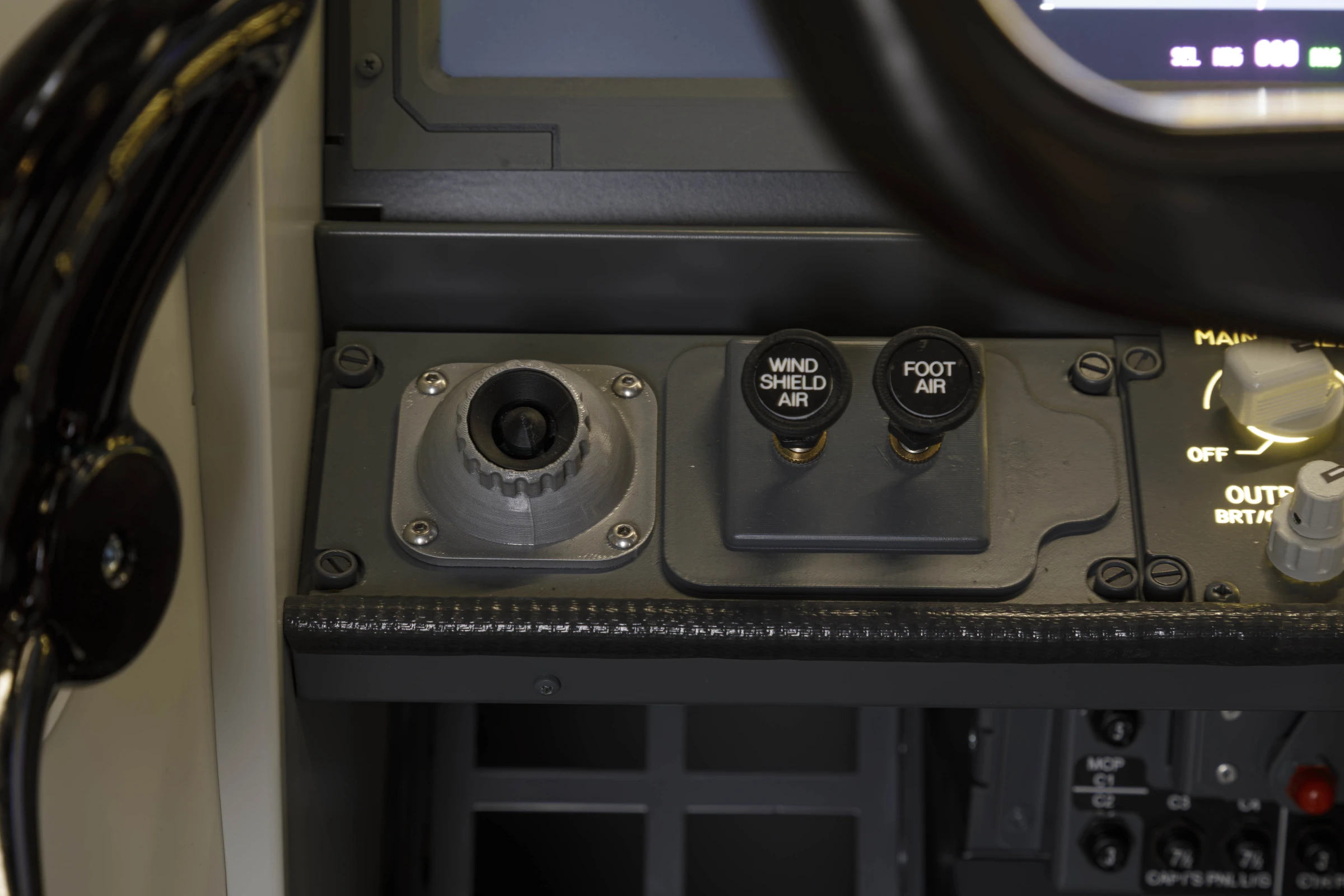
Faithfully recreating the Boeing 737 MAX flight deck environment also means paying close attention to every lighting detail. For this reason, the FSC simulator incorporates a professional lighting system specifically designed to replicate the characteristics and operation of the lighting installation found on the actual aircraft.

Every cockpit light has been integrated to allow pilots to control and adjust the illumination of the various panels and operational areas, creating an exceptionally realistic working environment.

The system also reproduces the electrical power supply logic of the lighting system, in accordance with the operation of the aircraft's generators and electrical system.

Particular attention has been given to lighting quality, with the aim of providing a comfortable working environment, reducing eye strain, and ensuring excellent instrument readability throughout all phases of simulation.

Lighting System Designed for Night Operations

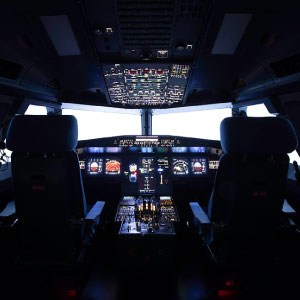
Night flying requires careful management of lighting conditions inside the cockpit. The B737 MAX simulator allows pilots to adjust the various lighting sources, controlling the brightness of instruments, panels, and ambient lighting.

The ability to progressively adjust light intensity makes it possible to reproduce the typical operating conditions of night flights, helping pilots maintain visual adaptation and reducing glare.

Emergency Lighting and Failure Simulation

Emergency lighting systems are also an integral part of the simulation. The FSC B737 MAX reproduces the main operating conditions of the emergency lighting system, allowing scenarios involving electrical power interruptions and reduced visibility inside the cockpit to be recreated.

This functionality enables pilots to practise cockpit management under abnormal conditions, assess the behaviour of the lighting system during emergency situations, and introduce additional elements of realism into training activities.

Circuit Breakers: Faithful Reproduction

The simulator can incorporate a functional reproduction of the circuit breaker panels, maintaining a layout consistent with that of the B737 MAX flight deck.

The circuit breakers can be used during operational simulations and, in appropriately configured systems, can also be controlled from the instructor station.

This capability makes it possible to introduce specific failure conditions during training sessions and assess the crew's response in accordance with the applicable procedures.

The accurate reproduction of the panels and their associated controls also helps maintain a high level of familiarity with the aircraft's operational environment.

Advanced Flight Model

The B737 MAX simulator can be equipped with an advanced 6-Degrees-of-Freedom (6 DoF) flight model, designed to dynamically reproduce the aircraft's behaviour.

The model can be configured according to the main systems governing flight dynamics, including:

- Flight control system

- Aerodynamics

- Propulsion

- Landing gear configuration

The simulation can account for the main environmental and operational conditions, including temperature, pressure, humidity, and turbulence.

The model also allows different flight conditions and operational scenarios to be simulated, providing a platform suitable for both general flight simulation and training-oriented configurations.

Professionalism and Reliability

From mechanical and electronic design to system integration, from manufacturing to assembly and testing, every stage is developed with the aim of delivering a reliable, accurate, and easily configurable simulator.

FSC has dedicated expertise in simulator manufacturing, assembly, and testing, supported by specialized departments focused on technical assistance, IT, and graphic and 3D design.

After-sales support completes the offering, providing remote technical assistance through the main communication channels, as well as the possibility of carrying out maintenance and replacement work on simulator components to minimize downtime.

The result is a complete solution designed for professional and continuous operation, offering the flexibility required to meet the needs of flight schools, training centres, professional operators, and organizations providing specialized simulation-based training.

Power Consumption

Up to 6.0 KW

Power Requirement

210-240V / 50HZ


Upon request: 110-240V / 50-60HZ version

Visual system

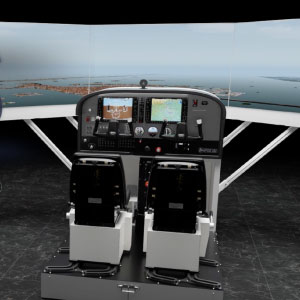
Projection arena 3 x Full-HD projectors or 5 x 65" 4K monitors

High-End Simulation PCs

2 x PC Server Windows High-Performance


3 x PC Client Windows High-performance (visual system with 3 projectors)


5x PC Client Windows High-performance (visual system with 5 monitors)

External view

3 x monitors LCD/Led 55" Full-HD + 1 x PC Server Windows High-Performance (upon request)

Visual resolution

Global resolution on 180° projector arena with 3 x Full-HD projectors: 5.760 x 1.200 pixels


Global resolution on visual arena with 5 x Full-HD monitors: 19.200 x 2.160 pixels

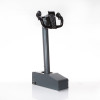
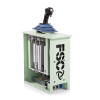
Motorized flight controls

Control loading system force feedback on rudder pedals and yoke (upon request)

Light system

Full and adjustable backlighting like the real one

Cockpit

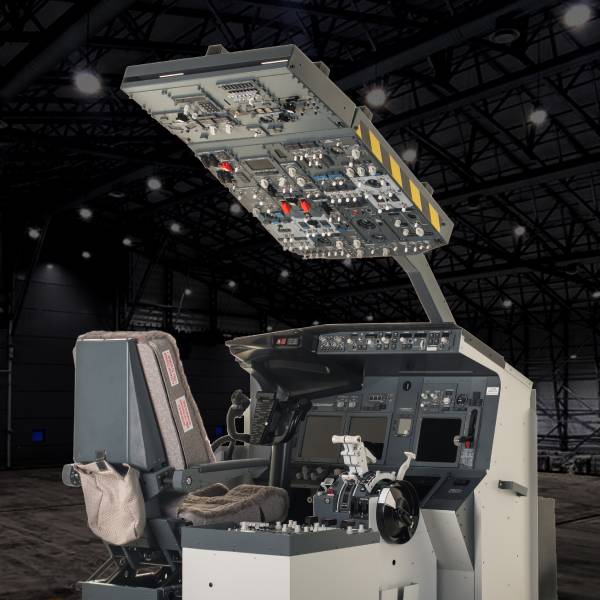
Structure made entirely of metal with fiberglass finishes

Weight

Cockpit : 500Kg

Visual System : 350Kg

Electronics and Racks : 600Kg

Wireless tablet with customized interface

iPad Connectivity for use with ForeFlight & other aviation apps (upon request)

1:1 scale

All cockpits are faithful and real reproductions and are equipped with fully functional instrumentation

Software

Compatible with most of the software available on the market: Prosim, Project Magenta, PMDG 737, MSFS2020, X-Plane, Zibo Mod., Prepar3D, FSX etc etc

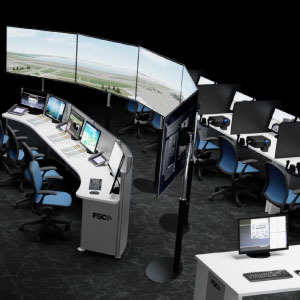
Ready for integration with instructor station

Suitable to simulate emergency and instrument failures (upon request)

Circuit Breakers panels

The simulator can be equipped with circuit breaker panels


P6 (First Officer) : 100 active breakers and 377 dummy breakers


P18 (Captain) : 187 active breakers and 40 dummy breakers

Certification

FNPT II MCC certification process with MQTG preparation and specific technical consultancy (upon request)

Product added to compare.
group_work Cookie consent